.avif)


At first glance, it sounds impossible.
Welcome back to the third instalment of TrakPro's Toolbox Talks, where each month I unpack the stories behind buildings and projects that have something worth learning from.
At first glance, it sounds impossible.
This month, we're in Madeira, Portugal.
Like most visitors, I knew Madeira Airport had a reputation for being one of the world's most challenging airports to land at. Having visited there recently with my wife, I can confirm it's well earned.
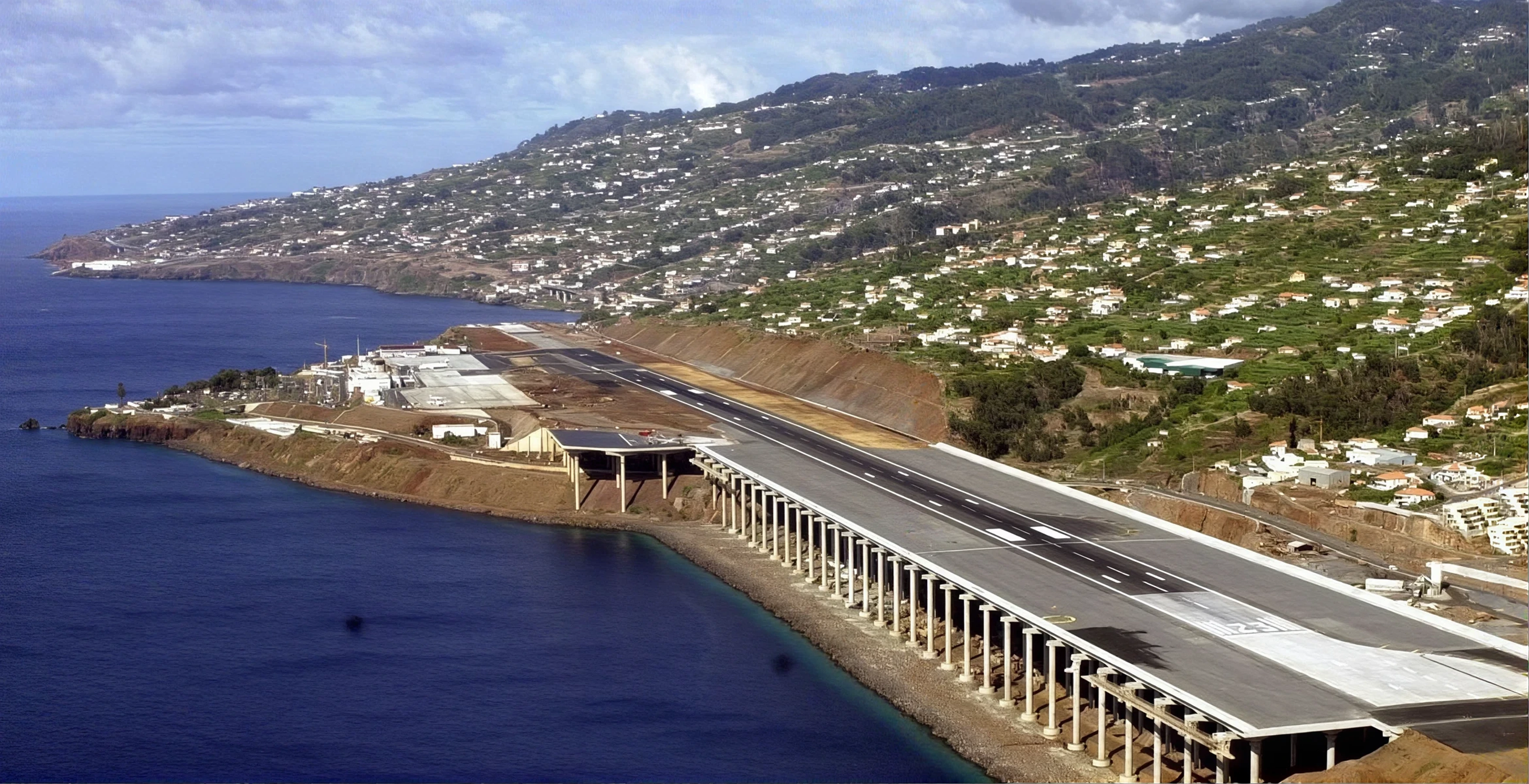
But the approach isn't even the most interesting part. The real story sits beneath the runway.
When the airport opened in 1964, the runway was just 1,600 metres long. A modest extension in the 1980s bought some time, but as tourism grew, larger aircraft needed far more runway and there was one major problem.
Mountains on one side. The Atlantic Ocean on the other. There was nowhere to build.
The obvious answer might have been to reclaim land. But Madeira is a volcanic island, and the seabed falls away steeply just offshore. Reclamation would have been slow, hugely expensive, and enormously disruptive.
So the engineers chose a completely different solution.
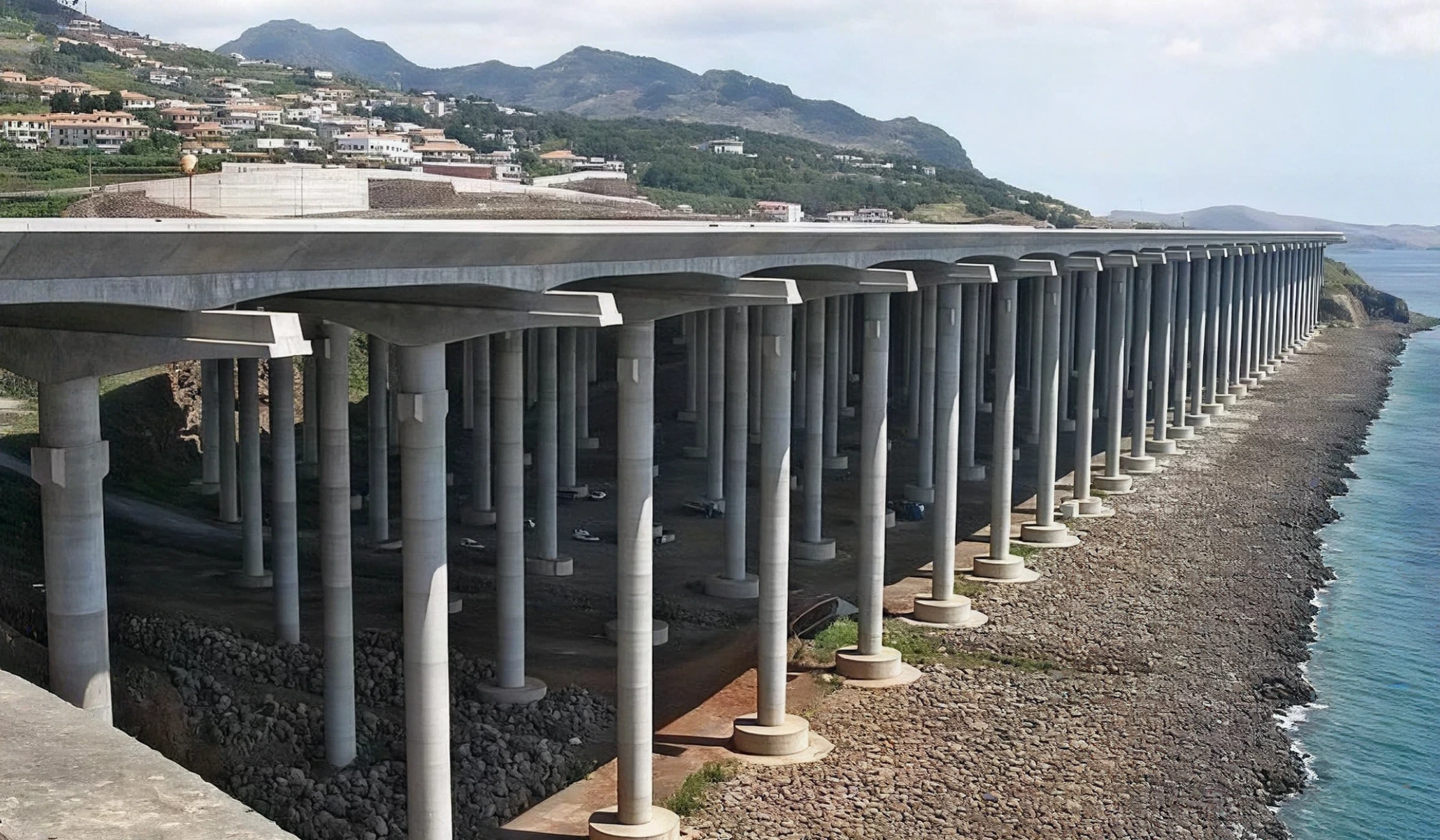
In 2000, they extended the runway out over the ocean on a platform supported by 180 reinforced concrete columns, some standing around 70 metres high. The runway now stretches 2,781 metres, allowing much larger aircraft to use the airport.
The engineering was so innovative that the project received the 2004 Outstanding Structure Award from the International Association for Bridge and Structural Engineering.
But that's not the real lesson.
The real lesson is that great projects don't wait for perfect conditions.
They find ways to succeed despite the constraints.
Construction projects face constraints every day:
- Sites with limited access
- Programmes that can't move
- Budgets that won't stretch
- Existing buildings that must remain operational
The best teams aren't the ones with the fewest constraints. They're the ones with the visibility and control to manage them.
That's why we built TrakPro.
Because when commercial teams can clearly see payment claims, variations, retentions and subcontractor accounts in one place, they're in a much better position to navigate whatever the project throws at them.
Next month: another build, another lesson.
One structural note: your reference post has a P.S. line at the end with a question to drive engagement. This draft doesn't have one, might be worth adding something like a question about Madeira or tricky airports if you want the same engagement hook.
.avif)